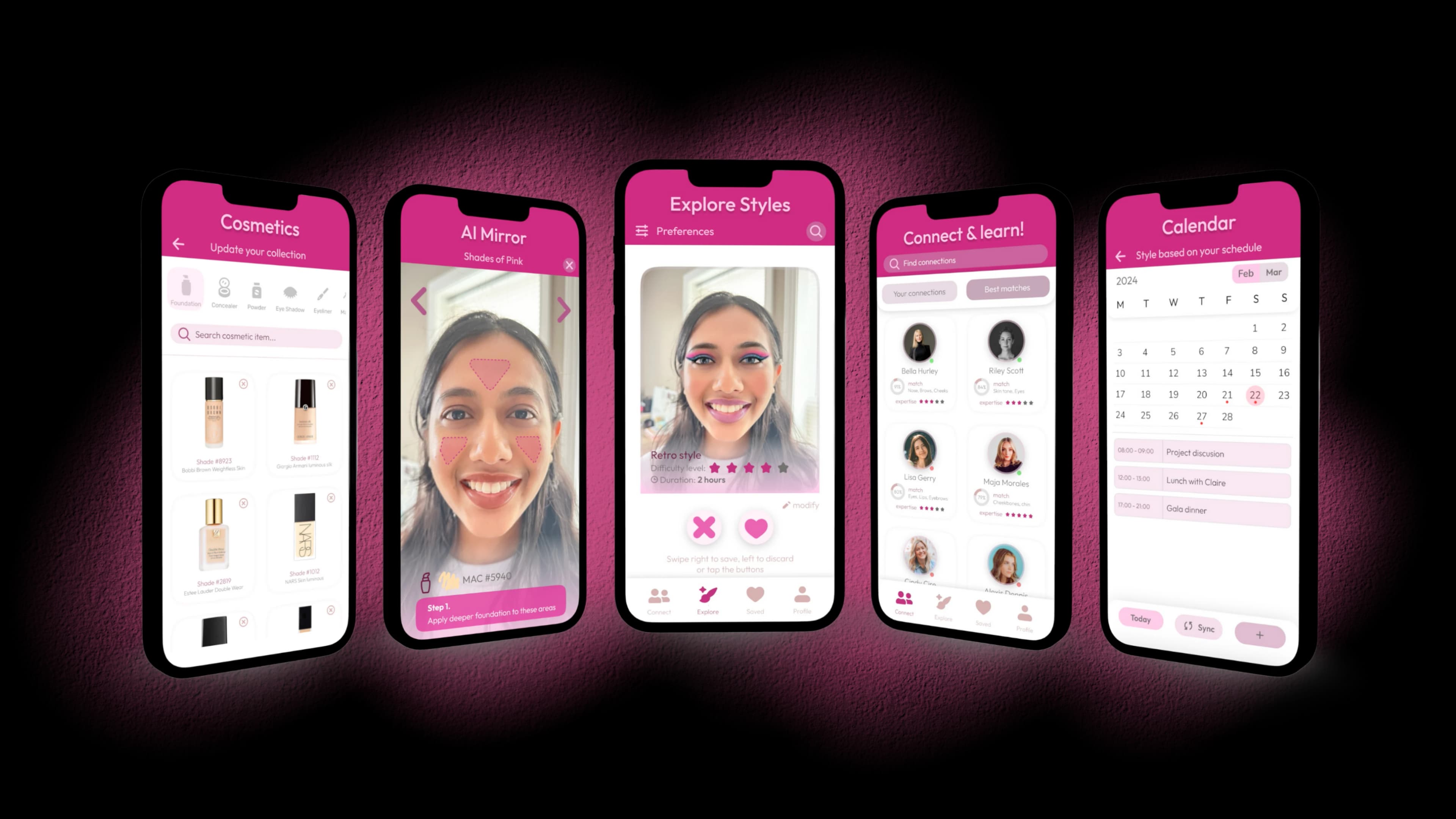
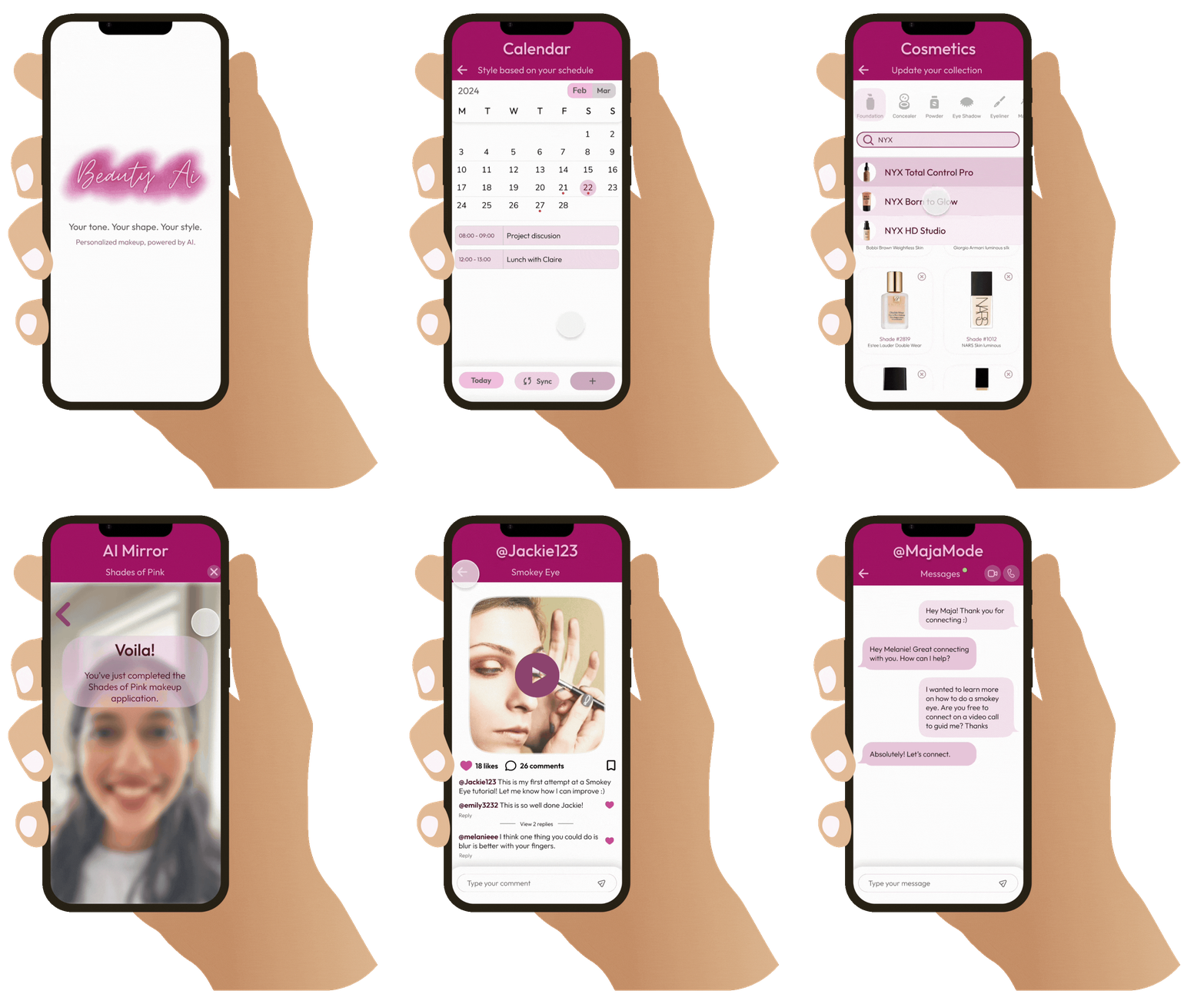
The aim of this project, was to utilise user-centered design concepts to address the challenges faced in tailoring and learning makeup styles and techniques suitable for each unique facial structure, tone, complexion.
Scope
Human-Computer Interaction Project
Role
UX Researcher
UX Designer
Timeline
Jul - Dec 2023
Team
4 UX Researchers
1 UX Designer
Process
UX Research
UX Design
Recognition
"Most creative" award among 60 teams
Problem Statement
Makeup styles can be intimidating and confusing. Many users want to find the optimal makeup styles and techniques for their unique skin tone, facial shapes, and features, but feel overwhelmed by the time and energy this takes. They also want to match their makeup style to specific occasions and their shifting schedules. Our project aims to enhance users’ confidence and overall experience by offering personalized makeup style recommendations and tutorials, while connecting them with a community of skilled makeup enthusiasts.
Interview Plan & Protocol
To understand the problem space better - to understand the varying challenges, significance of this problem to individuals, current methods and their limitations, we first developed a comprehensive interview protocol plan.
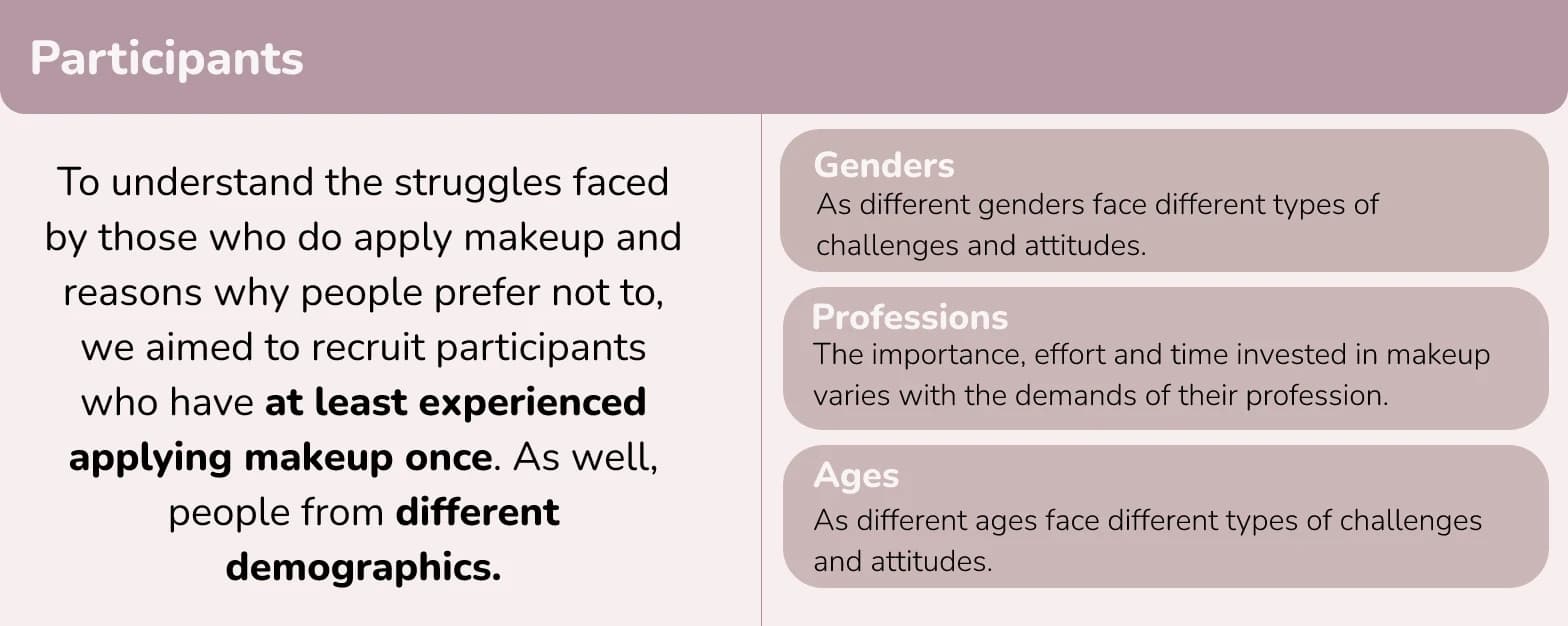
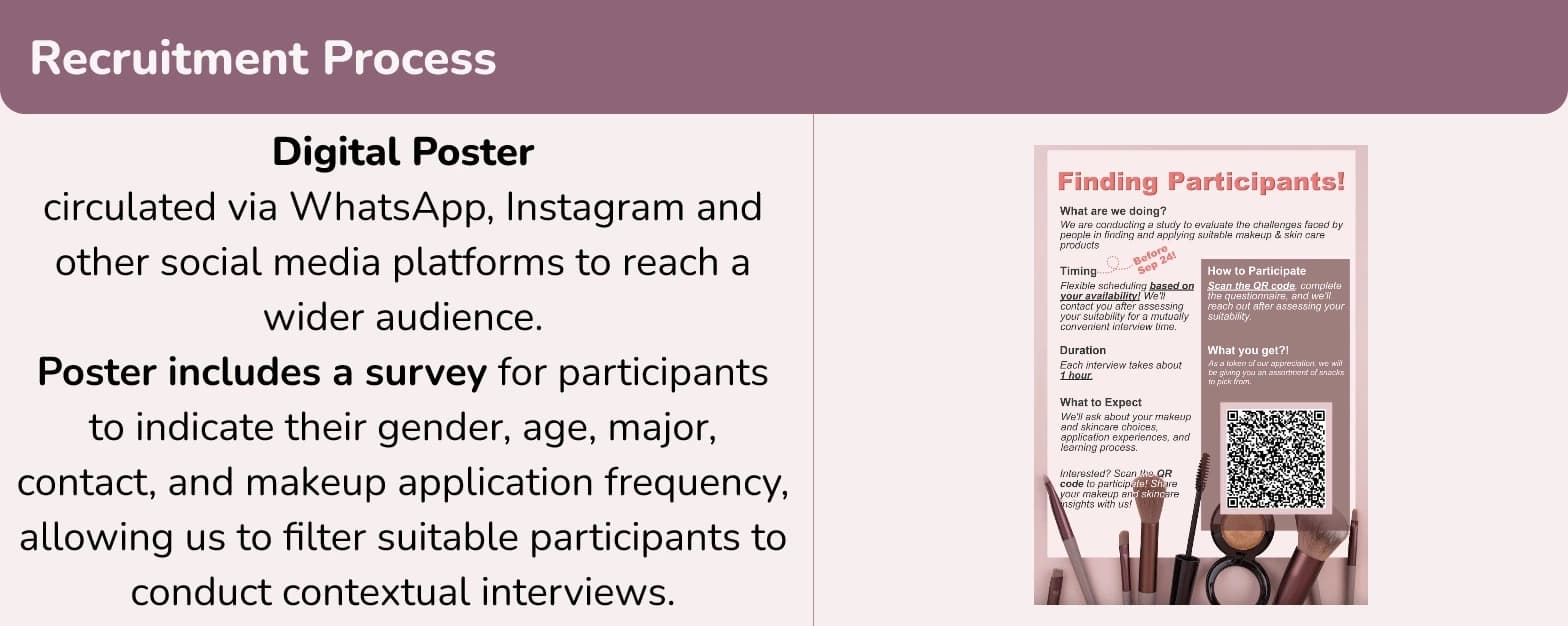
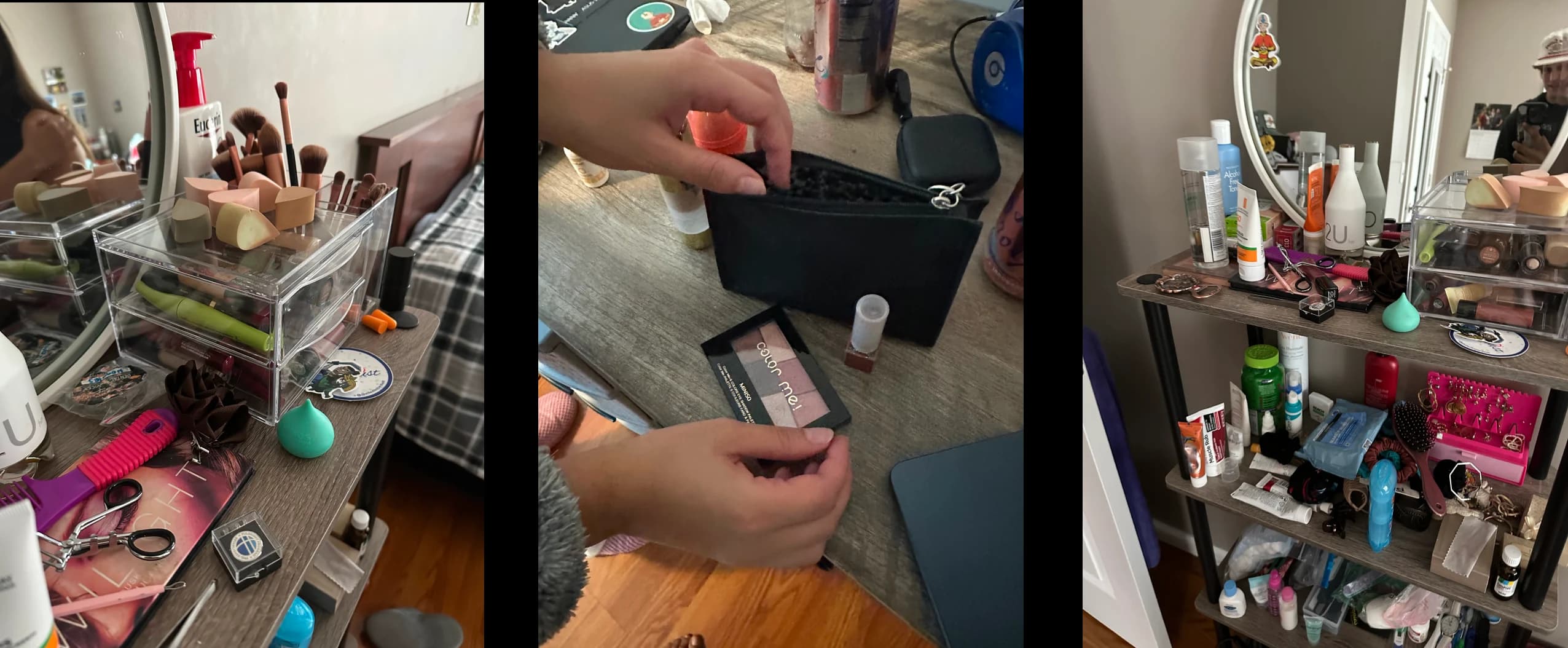
We recruited 8 participants who fit our target group. After obtaining informed consent, we proceeded with the interview, taking notes while recording the audio. Each interview lasted around 30-40 minutes long and was conducted in-person, in an area with access to the individual’s makeup tools.
Data Analysis
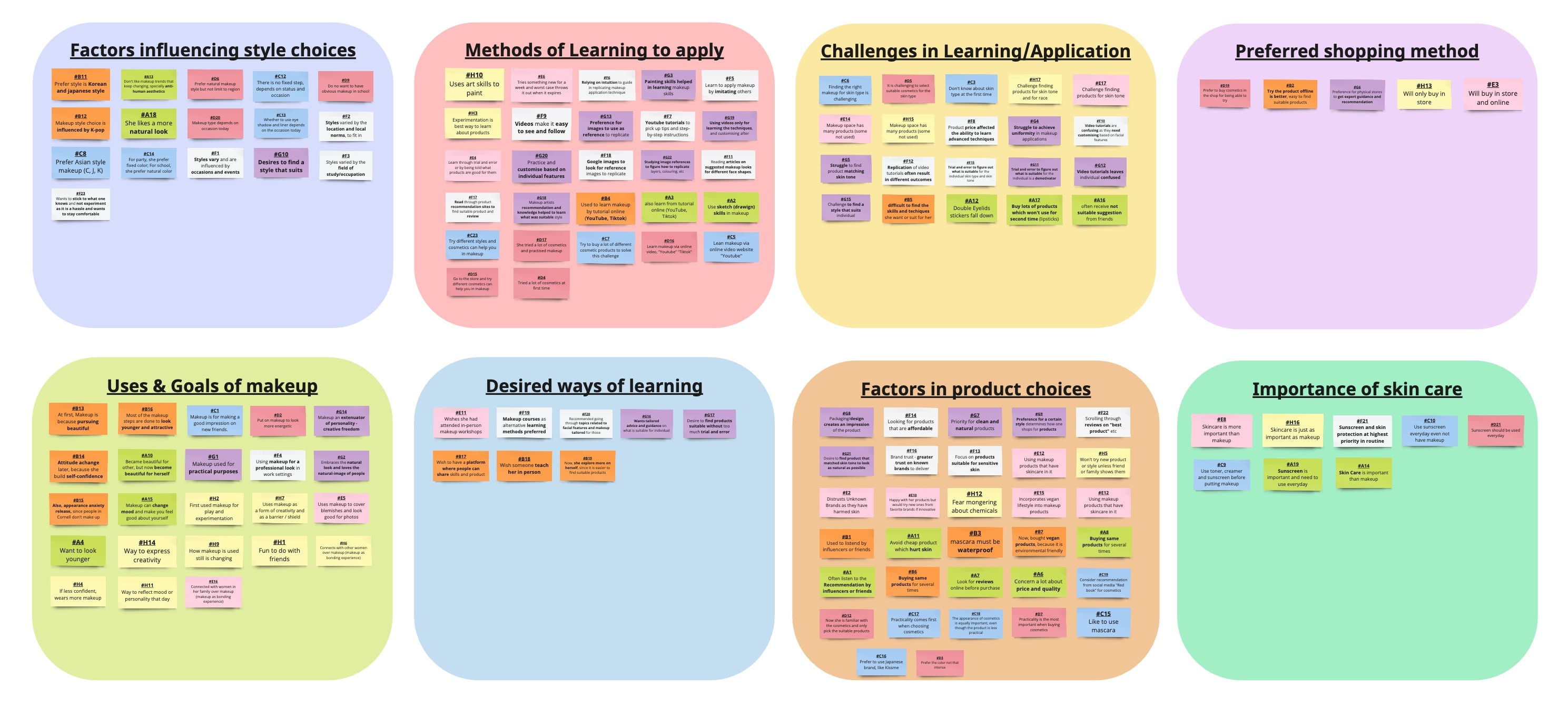
Extracting our raw interview notes, we created a descriptive Session Essay on each interview that describes the interview setting, process, users responses, reactions and demonstrations. We then created Activity Notes from each session essay, which we categorized under the following Affinity Diagram.

Insights Gathering
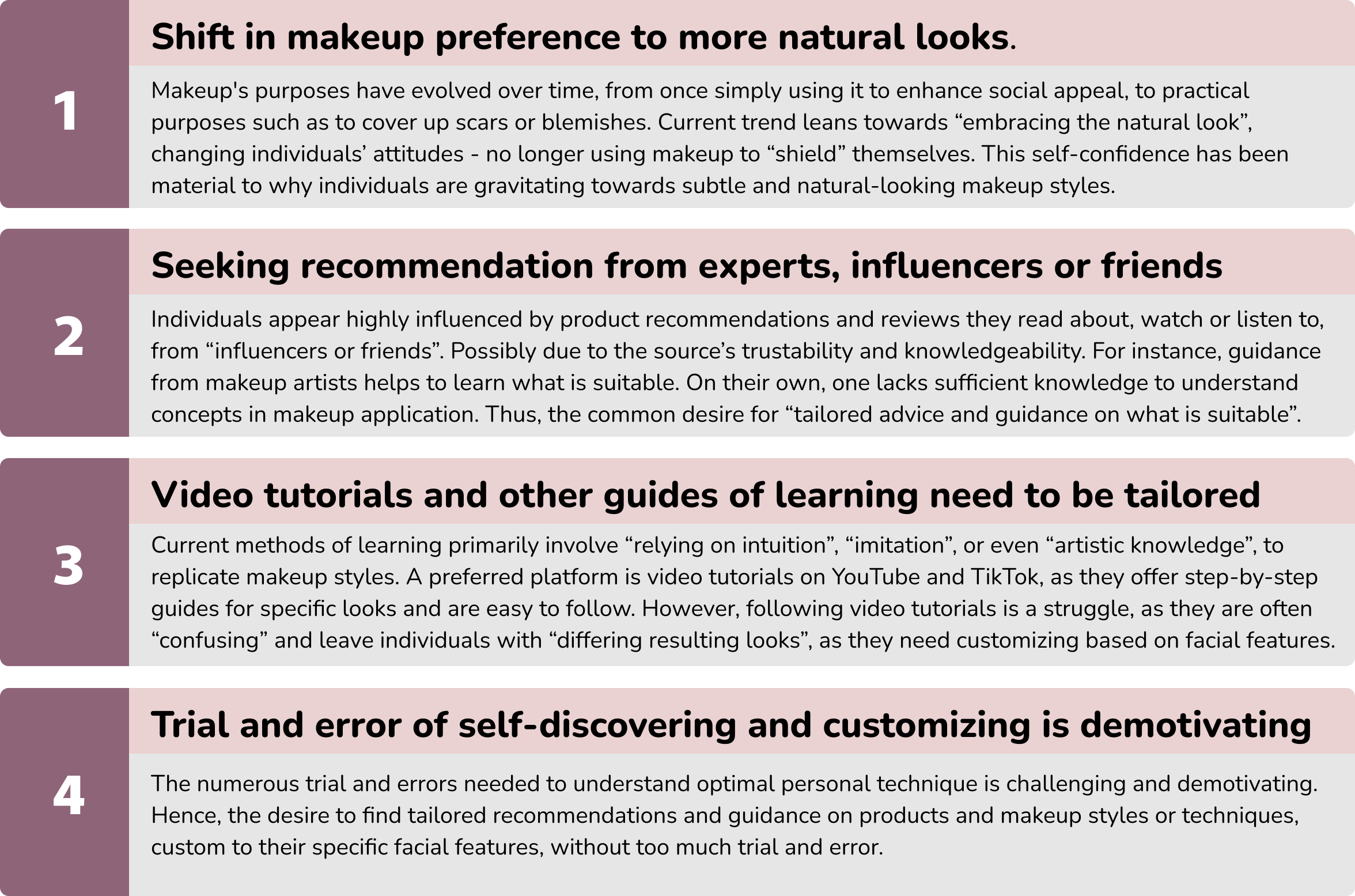
Using the Affinity Clustering, we derived 4 significant insights from our interviews:
Persona
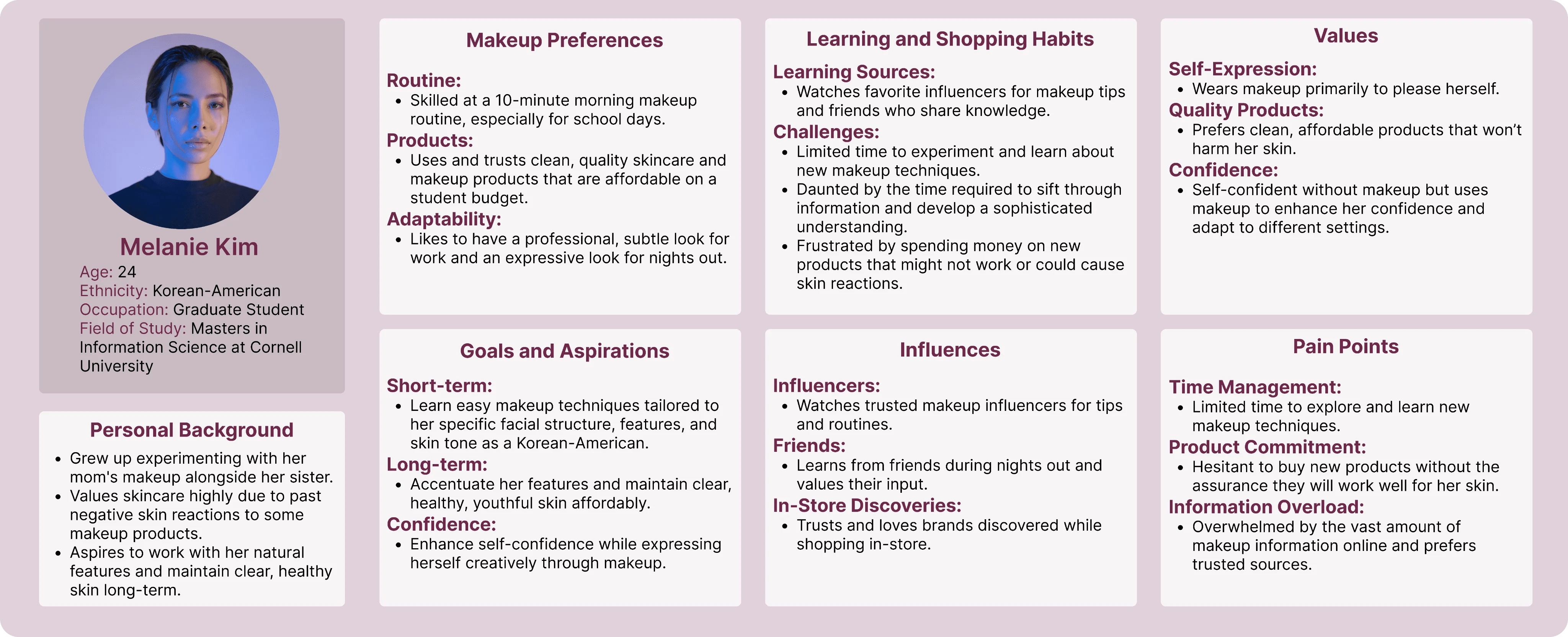
By keeping in mind the insights, we refined the problem statement and then created a persona to identify with.
Requirements Formulated
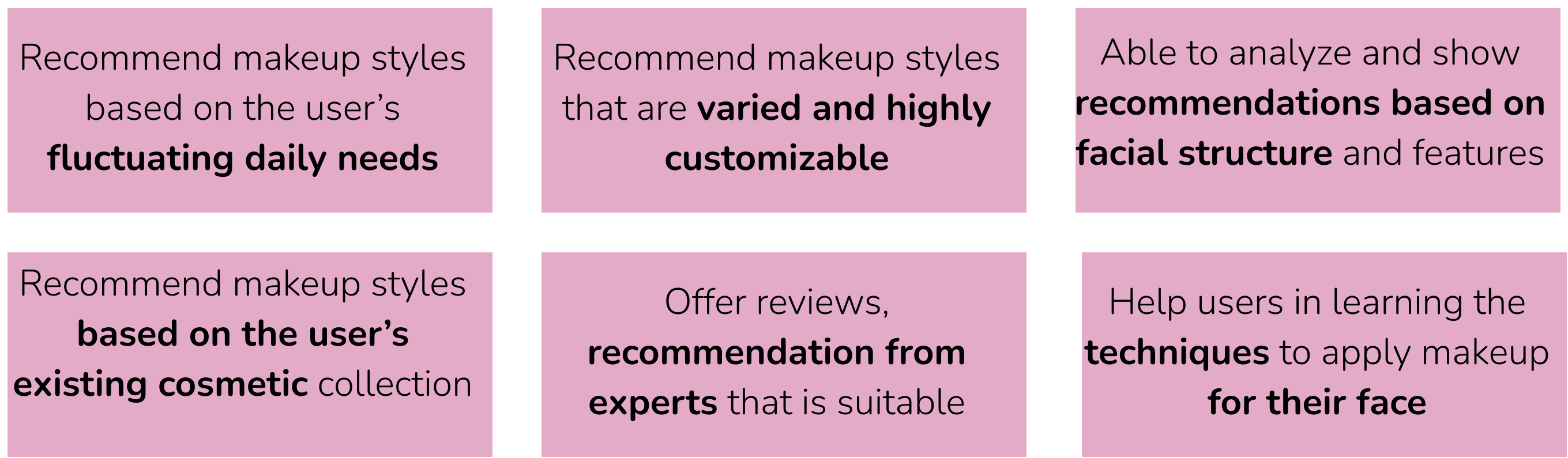
The following are the requirements we realized our solution has to meet, based off of our research. Our solution must:
Brainstorming & Ideation
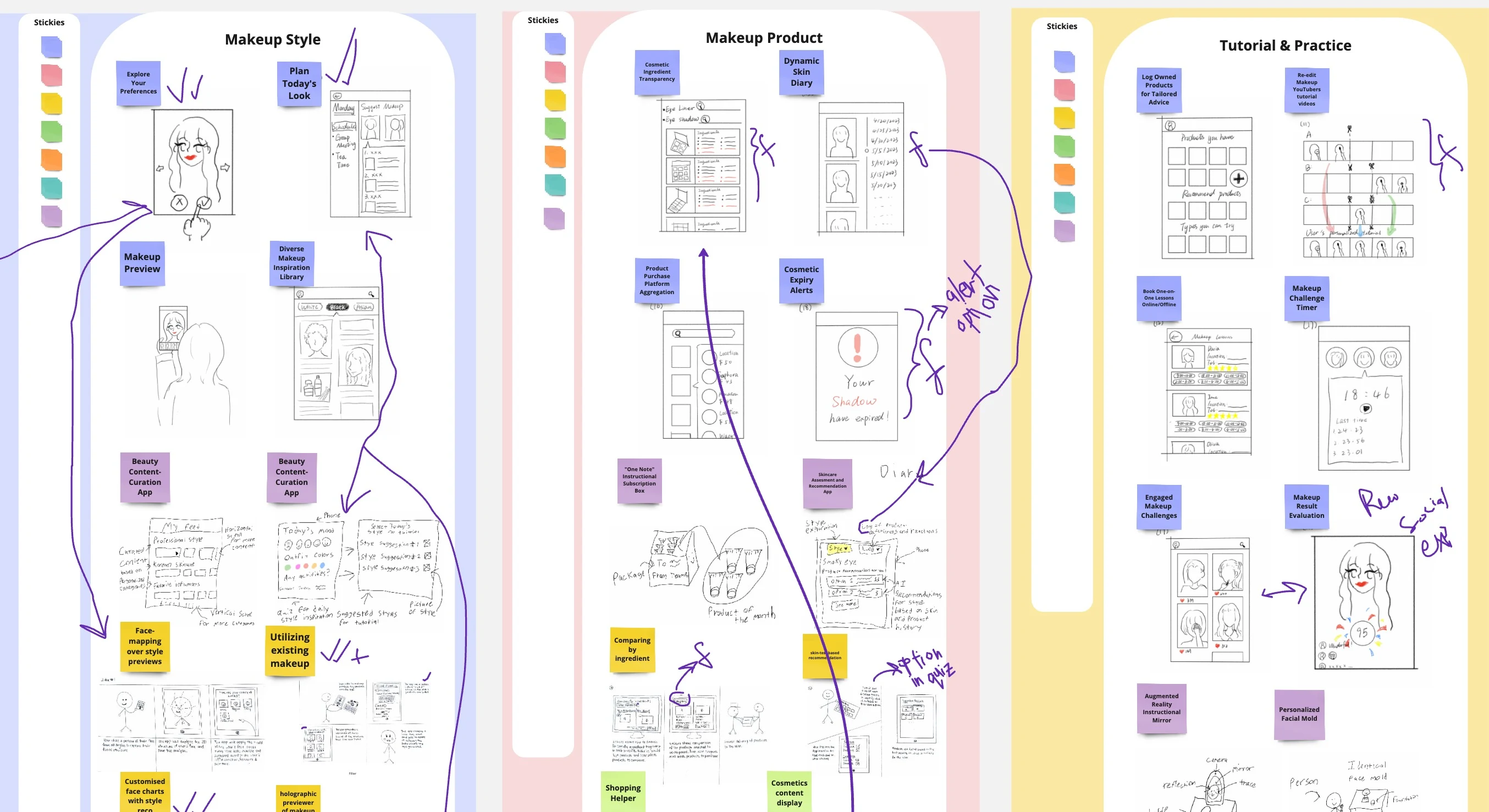
Exploring the existing solution space, we evaluated 20 solutions in this problem space and weighed the features we liked and the limitations they pose. This allowed us to then brainstorm and sketch around 20 design ideas each, thinking out-of-the-box, yet feasible ideas. These idea sketches were gathered and categorized on an "Idea Board" . Using Miro as our collaborative platform, we highlighted ideas that were perceived as innovative, concurrently identifying and linking ideas that had potential synergies, streamlining the process of integrating them into a cohesive solution later on.
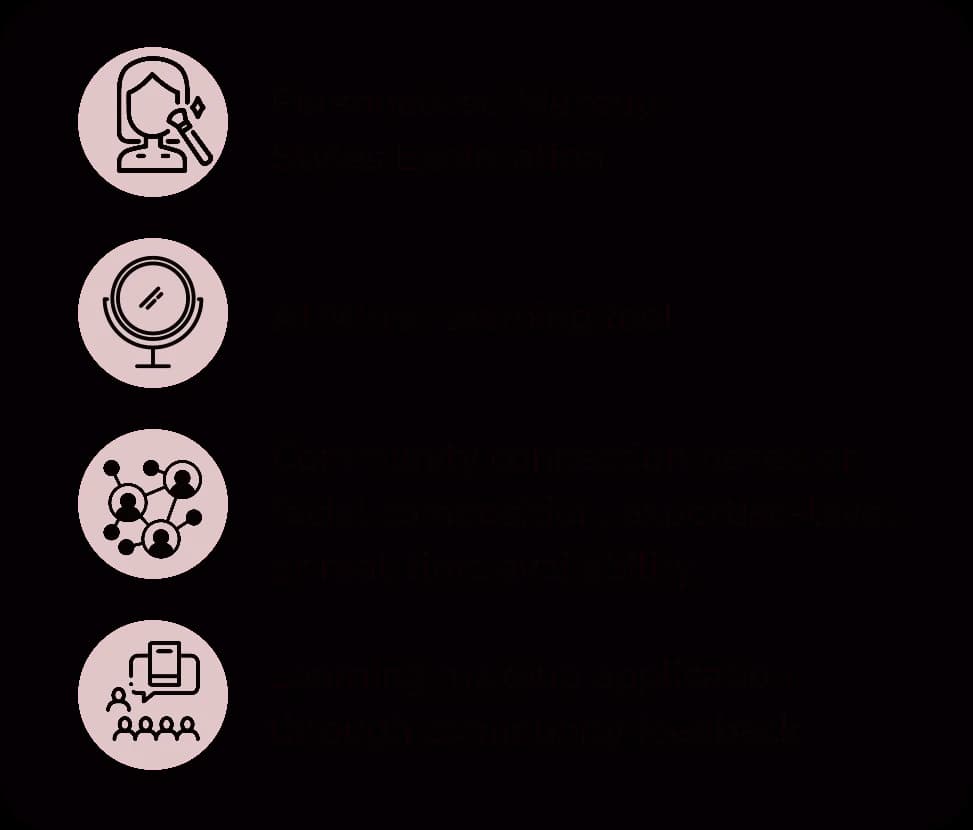
We then identified 4 primary pillars to implement in our solution:
Paper Prototype
Starting off the sketch design of our solution, we created a paper prototype of the idea we envisioned. This Paper Prototype was used to conduct Usability tests to gather feedback and understand how the design and utility of the solution can be improved.
Figma Prototype Designs
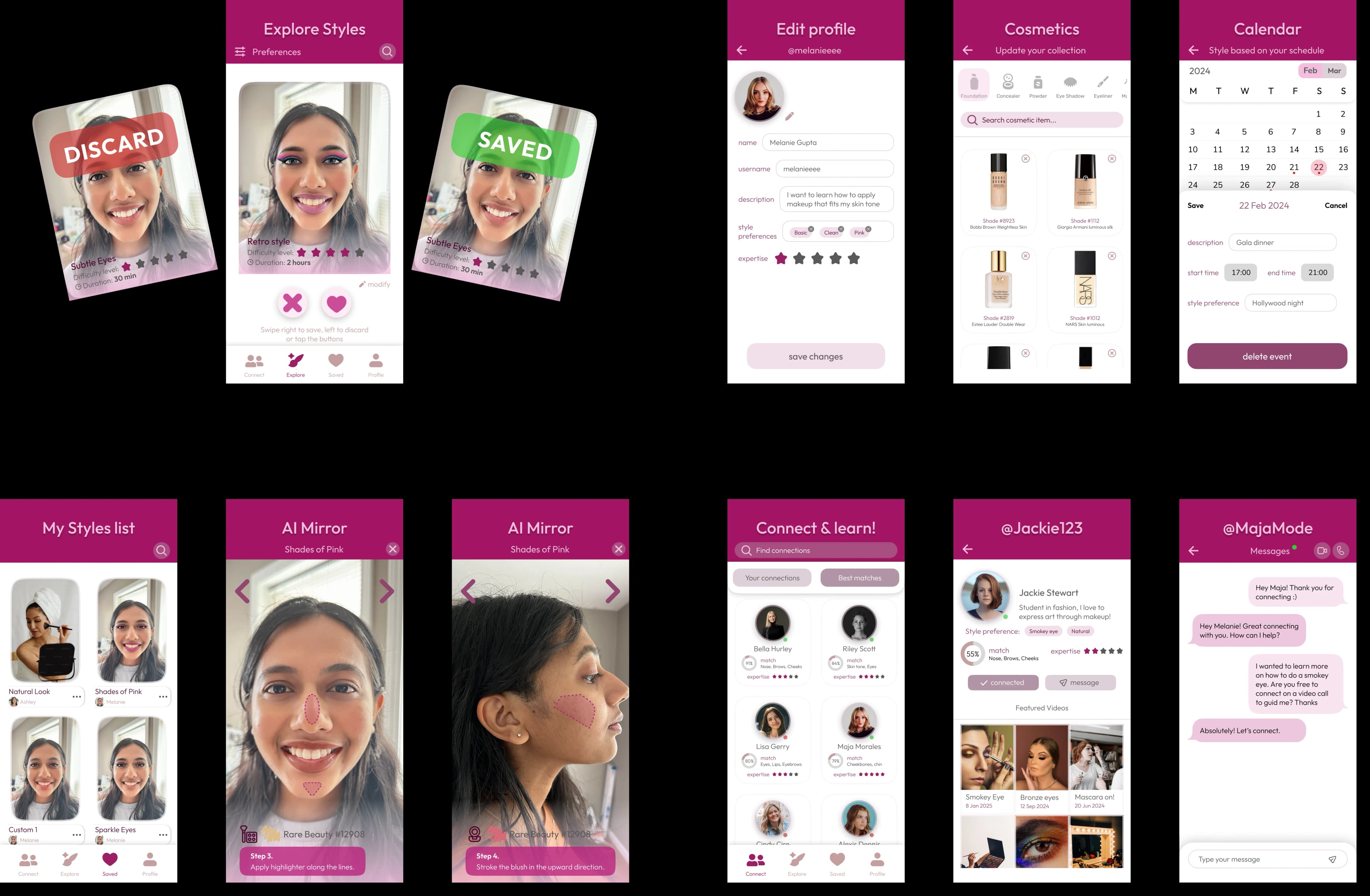
Using the insights from the usability testing feedback with the paper prototype, it informed the creation of our Lo-fi & Mid-fi Figma prototypes. Post a design critique session, we were able to further improve the design, culminating in our Hi-Fidelity Prototype. We performed heuristic evaluations on the prototype based on Nielsen’s 10 heuristics for user interface design, which led to a few more iterations to match the goals and needs of our target users.
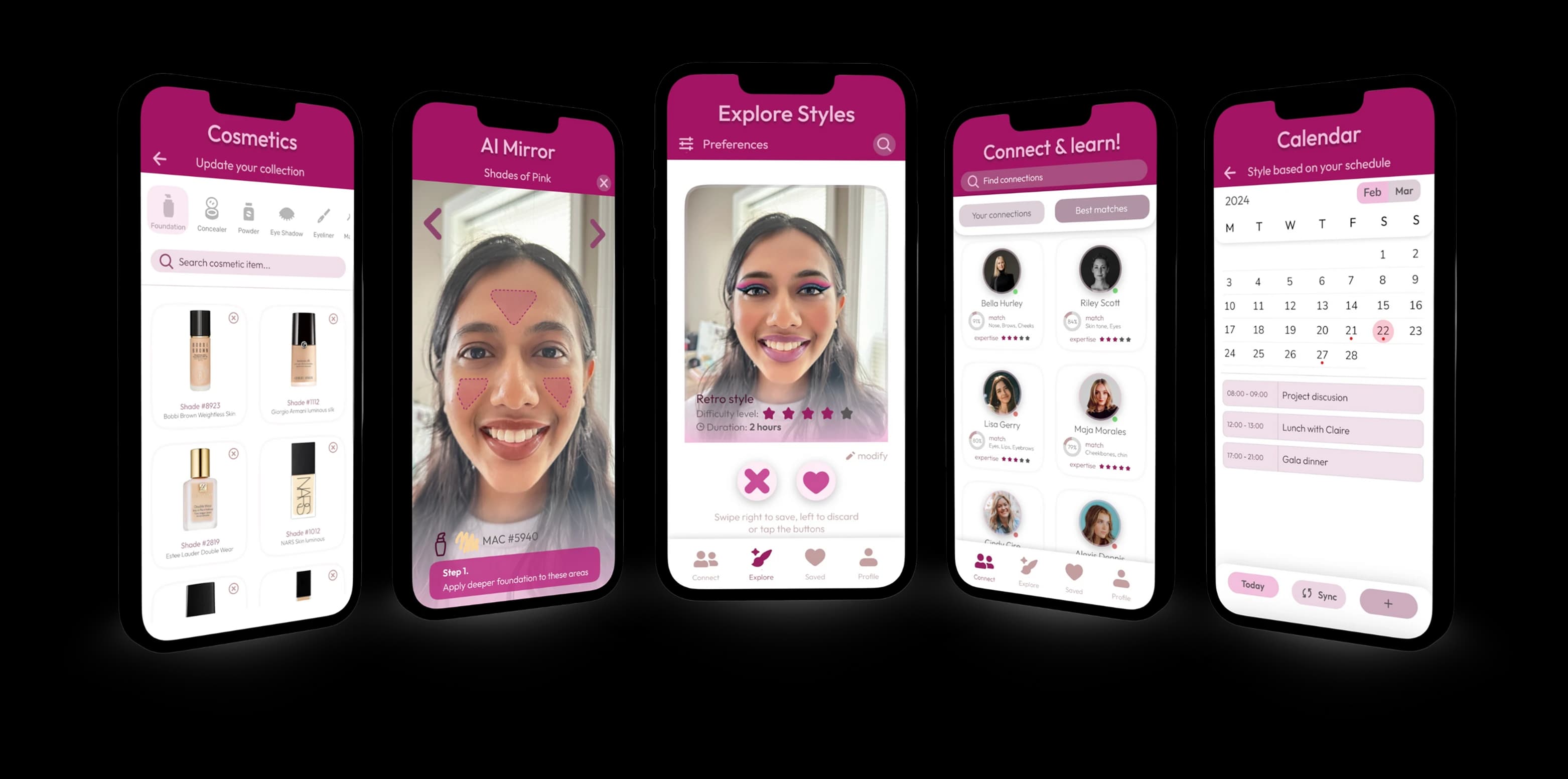
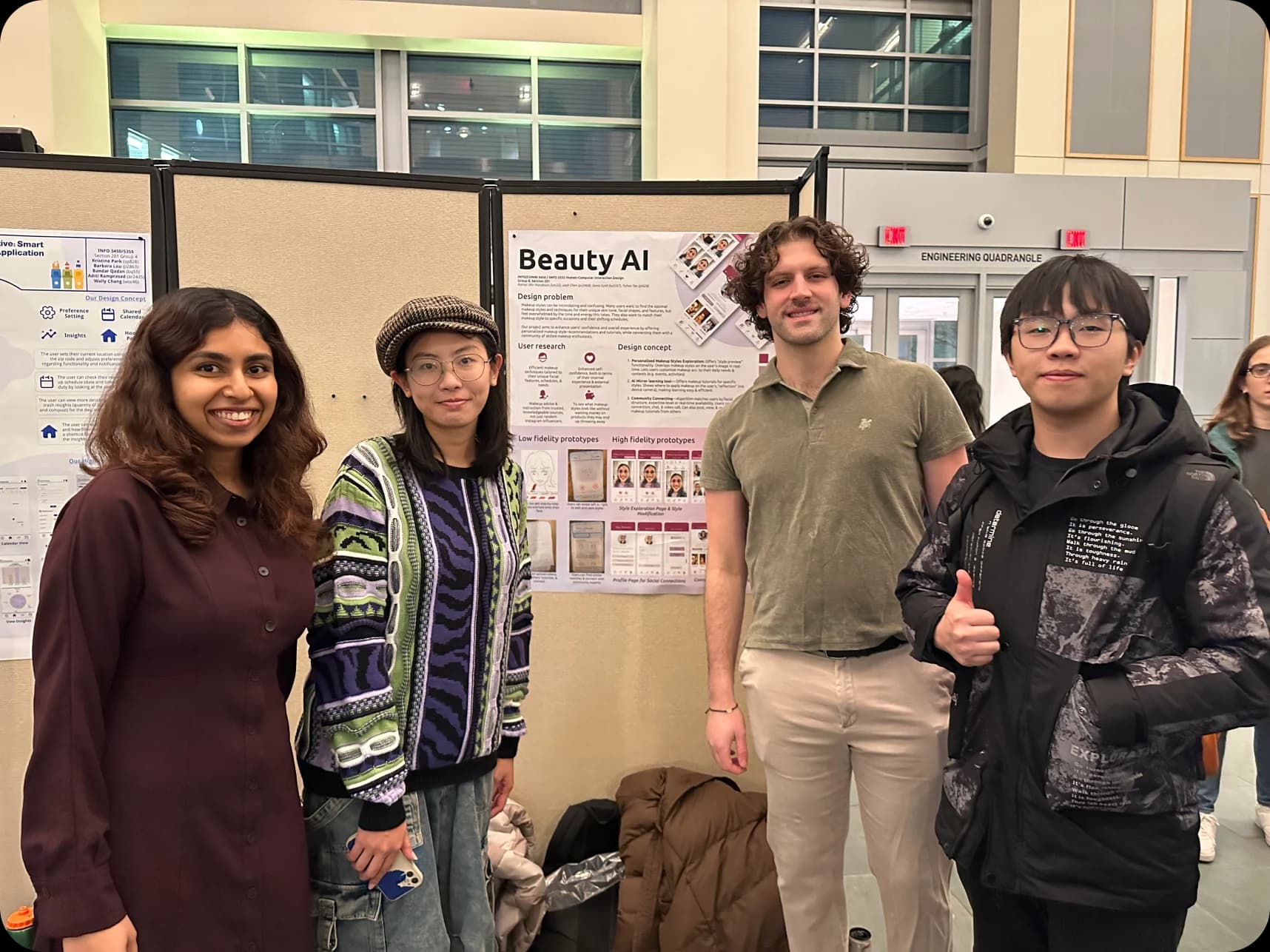
We showcased our Figma Prototype during a Poster Presentation event and managed to clinch the prestigious 'Most Creative' project award for the most innovative and imaginative prototype.
Wireframes

Artifacts